
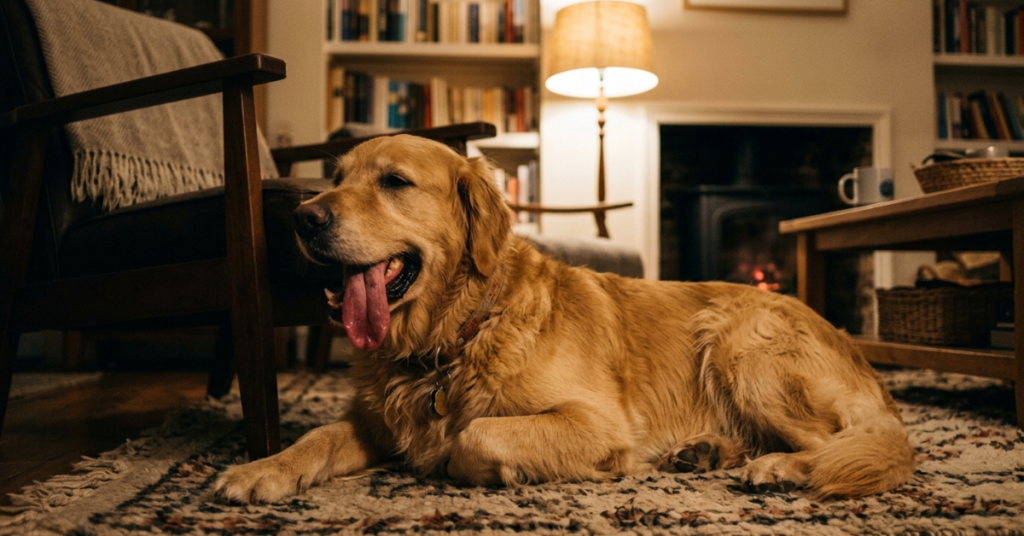
A dog panting after a long walk or an exciting game of fetch is perfectly normal. But what if your dog starts breathing heavily while lying on the couch, wakes up panting in the middle of the night, or seems unable to settle down even when the room is cool?
If you’re wondering, why is my dog panting, the answer depends on the situation, your dog’s behavior, and any other symptoms you notice. Panting is one of the main ways dogs cool themselves down, but it can also be associated with stress, pain, medication side effects, and certain medical conditions.
The good news is that many causes are manageable. However, sudden, excessive, or unexplained panting deserves attention, particularly when it occurs at rest or comes with other changes in your dog’s behavior.
In this guide, we’ll explore the most common reasons dogs pant, explain when it may be a warning sign, and share practical steps you can take to help your furry companion.
Why Do Dogs Pant?
Unlike humans, dogs rely heavily on panting to regulate their body temperature. They have sweat glands, but most of their cooling happens through evaporation from the moist surfaces of their mouth, tongue, and respiratory tract.
During panting, a dog takes rapid, relatively shallow breaths that help release heat. This is why you might see your dog panting after exercise, on a warm afternoon, or when feeling excited.
Normal panting generally decreases once your dog has cooled down and relaxed. If it continues without an obvious explanation, becomes unusually intense, or looks different from your dog’s typical breathing pattern, it is worth investigating.
10 Common Reasons Your Dog May Be Panting
1. Heat and Warm Weather
Heat is one of the most common reasons for panting. Dogs can become warm after running, spending time outdoors, sitting in a stuffy room, or resting in direct sunlight.
Some dogs are particularly vulnerable to overheating, including flat-faced breeds such as Pugs, French Bulldogs, and English Bulldogs. Dogs with thick coats, older dogs, and those carrying extra weight may also struggle to cool down efficiently.
What you can do:
- Move your dog to a cool, shaded, or air-conditioned area.
- Offer fresh drinking water without forcing your dog to drink.
- Stop exercise and allow your dog to rest.
- Avoid leaving your dog in a parked car, even with the windows partly open.
If heavy panting is accompanied by weakness, vomiting, excessive drooling, confusion, or collapse, seek emergency veterinary care. Heatstroke can become life-threatening quickly.
2. Exercise and Excitement
Have you ever noticed your dog panting enthusiastically after chasing a ball or greeting you at the door? Physical activity increases body heat, while excitement can raise breathing and heart rates.
This type of panting should gradually ease as your dog rests and cools down. The time needed will depend on the intensity of the activity, the temperature, and your dog’s age and fitness.
If your dog continues panting heavily long after exercise has stopped, especially in a cool environment, don’t automatically assume they’re simply tired.
3. Stress, Anxiety, or Fear
Dogs can pant when they feel nervous, even if they haven’t been exercising or exposed to heat. Fireworks, thunderstorms, unfamiliar visitors, separation anxiety, and trips to the veterinarian can all trigger this response.
Stress-related panting may appear alongside other behavioral signs, such as:
- Pacing around the room.
- Trembling or shaking.
- Whining, barking, or hiding.
- Excessive licking or yawning.
- Tucked tails, flattened ears, or wide eyes.
Try moving your dog to a quiet, familiar space and reducing the source of stress when possible. If anxiety is frequent or severe, a veterinarian can help identify appropriate behavioral strategies or treatment options.
4. Pain or Physical Discomfort
Dogs don’t always make it obvious when something hurts. Sometimes, persistent panting is one of the first signs that a dog is uncomfortable.
Possible causes include arthritis, an injury, abdominal discomfort, dental problems, or pain following surgery. You might also notice restlessness, reluctance to climb stairs, reduced appetite, unusual posture, or sensitivity when touched.
If your dog is panting while lying down despite being in a comfortable environment, consider whether they may be experiencing pain.
Contact your veterinarian if the panting is unexplained or persistent, particularly if your dog is also whining, guarding a body part, struggling to get comfortable, or behaving differently than usual. Never give human painkillers unless a veterinarian specifically directs you to do so.
5. Fever or Illness
An infection, fever, inflammation, or another underlying illness can cause a dog to pant more than usual. The body may be working harder to regulate temperature or respond to the illness.
Other symptoms can include lethargy, reduced appetite, vomiting, diarrhea, coughing, or changes in drinking and urination.
Panting alone cannot tell you whether your dog has a fever. A warm nose or warm ears aren’t reliable ways to confirm one, either.
If your dog seems unwell and is panting excessively, arrange a veterinary assessment rather than trying to diagnose the cause at home.
6. Heart or Lung Problems
Heart disease and respiratory conditions can make normal breathing more difficult. A dog may begin panting or breathing rapidly after minimal activity, during sleep, or while resting.
Watch for warning signs such as:
- Persistent coughing.
- Reduced stamina during walks.
- Rapid or labored breathing.
- Weakness or fainting.
- Pale, gray, or bluish gums.
These symptoms need prompt medical attention. Severe breathing difficulty, collapse, or blue-gray gums should be treated as an emergency.
7. Medication Side Effects
Certain medications can increase panting. Corticosteroids, including prednisone, are a common example, although the likelihood and severity of side effects vary between dogs.
If the panting started after your dog began taking a new medication or had a dose change, contact the prescribing veterinarian. Explain when the symptom began and whether you’ve noticed changes in appetite, thirst, sleep, or behavior.
Don’t stop or adjust a prescribed medication without veterinary guidance.
8. Age-Related Changes
Older dogs may pant more because of arthritis, other painful conditions, reduced exercise tolerance, or age-related disease. Some senior dogs also develop changes in sleep patterns and nighttime behavior.
However, new or worsening panting should not automatically be dismissed as a normal part of aging. Heart disease, respiratory problems, pain, and hormonal conditions can all affect older dogs.
A veterinary examination can help distinguish age-related changes from treatable health problems.
9. Hormonal or Metabolic Conditions
Certain medical conditions can change how a dog’s body regulates energy, temperature, and other essential functions.
For example, Cushing’s disease, which involves prolonged exposure to excess cortisol, may cause increased panting alongside increased thirst, increased urination, a larger appetite, a pot-bellied appearance, or changes in the coat.
Other illnesses may produce overlapping symptoms. A veterinarian may recommend blood tests, urine tests, or additional investigations depending on your dog’s history and examination.
10. Heatstroke or Another Emergency
Sometimes, panting isn’t just a response to warmth. It can be a sign that your dog is struggling to cope with dangerously high body temperature or another serious condition.
Heatstroke may cause intense panting, thick saliva, vomiting, diarrhea, weakness, confusion, seizures, or collapse. A dog does not need to have been outside for hours to become dangerously overheated.
If you suspect heatstroke, begin cooling your dog with cool or room-temperature water and airflow while arranging immediate veterinary care. Avoid ice baths and do not delay transport to see whether your dog improves. Never force water into a weak or distressed dog.
Other emergencies, including severe breathing problems and abdominal bloat, can also cause panting and restlessness. A swollen abdomen, repeated unproductive retching, or sudden collapse requires emergency attention.
Why Is My Dog Panting for No Apparent Reason?
Panting without an obvious trigger can be confusing. Your dog may not have exercised, the room may feel comfortable, and nothing unusual may appear to be happening.
Possible explanations include:
- Hidden anxiety: Dogs can respond to sounds, smells, or environmental changes that people don’t notice.
- Pain: Joint, dental, abdominal, or internal discomfort may not be immediately visible.
- Medication effects: Some prescriptions can cause persistent panting.
- Underlying disease: Heart, lung, hormonal, or other medical conditions may affect breathing.
- Overheating: Warm bedding, poor ventilation, or recent activity can leave a dog hot even when the room feels comfortable to you.
If unexplained panting is new, frequent, unusually intense, or persistent, contact your veterinarian. Don’t wait for additional symptoms to appear if your dog is struggling to breathe or seems seriously unwell.
Why Is My Dog Panting While Resting?
Panting while resting can be harmless if your dog has just played, experienced excitement, or is still cooling down. However, panting that begins during quiet rest or continues after your dog has settled may indicate a problem.
Pay attention to the overall breathing pattern. Is your dog breathing comfortably between panting episodes, or are they using their belly and chest forcefully to breathe? Can they lie down normally, or do they repeatedly change position because they seem uncomfortable?
If your dog is asleep or fully relaxed, you can also count their breaths when they are not actively panting. One rise and fall of the chest counts as one breath. Count for 30 seconds and multiply by two.
A resting or sleeping respiratory rate consistently above about 30 breaths per minute can be concerning, particularly in dogs with known heart disease. Contact your veterinarian for advice. If breathing is visibly labored, do not delay emergency care to count breaths.
Why Is My Dog Panting at Night?
Nighttime panting can be especially worrying because your dog should generally be relaxing during sleep. Several factors can explain this behavior, and the timing may provide useful clues.
Common causes of nighttime panting
- Pain or arthritis: Discomfort may become more noticeable when your dog lies down or changes position.
- Anxiety: Noise, separation, unfamiliar surroundings, or changes in routine can make it difficult for a dog to settle.
- Being too warm: Thick bedding, warm rooms, or poor ventilation may cause overheating.
- Medication effects: Some medications can interfere with normal sleep or increase panting.
- Medical conditions: Heart or lung disease, hormonal disorders, and other illnesses may contribute to abnormal nighttime breathing.
If your dog is panting repeatedly during the night, waking up distressed, or unable to settle comfortably, arrange a veterinary examination. Take note of how often it happens and whether you see coughing, pacing, shaking, increased thirst, or changes in appetite.
Sudden nighttime breathing difficulty is an emergency, even if your dog appeared healthy earlier in the day.
Why Is My Dog Panting and Shaking?
Panting combined with shaking or trembling deserves attention because it can have several different causes.
Some dogs tremble when they’re frightened, excited, cold, or stressed. However, the same combination can occur with pain, fever, toxin exposure, low blood sugar, or other serious medical problems.
Consider what happened immediately before the symptoms began. Was your dog exposed to a loud noise, exercising in hot weather, given a new medication, or possibly exposed to a harmful substance?
If the symptoms are severe, sudden, unexplained, or accompanied by vomiting, weakness, disorientation, seizures, or breathing difficulty, seek urgent veterinary care. Don’t assume your dog is simply anxious.
If poisoning is possible, don’t induce vomiting or give home remedies unless a veterinary professional specifically instructs you to do so.
Why Is My Dog Panting and Pacing or Whining?
A dog that pants, paces, and whines may be struggling to settle because of anxiety, pain, discomfort, or an urgent physical need.
For example, a nervous dog may walk around during a thunderstorm, while a dog experiencing abdominal pain may repeatedly change position and whine. In some cases, restlessness and panting are early signs of a medical emergency.
One particularly important warning sign is a swollen or tight-looking abdomen combined with repeated attempts to vomit without bringing anything up. This can indicate gastric dilatation-volvulus, commonly called bloat, which can be fatal without emergency treatment.
Don’t wait to see whether your dog eventually settles if these signs are present. Seek emergency veterinary care.
Why Is My Dog Panting in the Car?
Car-related panting is often associated with anxiety, excitement, motion sickness, or heat.
Some dogs become nervous because they associate car rides with unfamiliar places or veterinary visits. Others experience nausea, which may cause drooling, lip licking, whining, or vomiting.
Temperature is another important factor. Vehicles can heat up rapidly, making car panting a potential warning sign of overheating.
To help your dog travel more comfortably:
- Keep the car cool and well ventilated.
- Secure your dog using an appropriate crash-tested restraint or travel crate.
- Introduce short, positive trips if your dog is anxious.
- Speak with your veterinarian if motion sickness or severe anxiety is suspected.
- Never leave your dog unattended in a parked vehicle.
If your dog develops intense panting, weakness, vomiting, confusion, or breathing difficulty during a journey, stop safely and seek veterinary assistance.
How to Tell Normal Panting From Dangerous Panting
The most useful clues are the circumstances, the intensity, how long the panting lasts, and whether other symptoms are present.
| What you notice | Possible explanation | What to do |
|---|---|---|
| Panting after exercise that gradually settles | Normal cooling | Rest in a cool area and offer water |
| Brief panting during excitement | Emotional response | Give your dog time to relax |
| Repeated panting at rest or overnight | Pain, anxiety, medication effects, or illness | Contact your veterinarian |
| Panting with shaking or unusual behavior | Stress, pain, or a medical problem | Seek prompt veterinary advice |
| Labored breathing, collapse, or blue-gray gums | Potential emergency | Seek emergency veterinary care immediately |
| Heavy panting with weakness or vomiting after heat exposure | Possible heatstroke | Start safe cooling and obtain emergency care |
This table is a guide, not a diagnosis. Normal-looking panting can occasionally accompany a developing problem, so your dog’s overall condition matters.
What Should You Do When Your Dog Is Panting Excessively?
If your dog is panting more than usual, take the following steps while assessing whether veterinary care is needed.
Step 1: Check the environment
Move your dog away from direct sunlight, physical activity, or a stuffy room. Offer a cool, quiet place to rest.
Step 2: Offer fresh water
Allow your dog to drink if they are alert and able to swallow normally. Never force water into their mouth.
Step 3: Look for other symptoms
Check for vomiting, diarrhea, drooling, shaking, coughing, limping, weakness, abdominal swelling, or unusual gum color.
Step 4: Observe the breathing pattern
Look for effort, not just speed. Heavy use of the abdominal muscles, an extended neck, an inability to lie down comfortably, or gasping may indicate respiratory distress.
Step 5: Contact a veterinarian
Seek advice if the panting is unexplained, persistent, recurring, or different from your dog’s usual behavior. Be prepared to describe when it started, what your dog was doing beforehand, any medications they take, and any additional symptoms.
Go to an emergency veterinarian immediately if your dog has severe breathing difficulty, blue or gray gums, collapse, seizures, suspected heatstroke, or signs of bloat. Do not delay care while trying home remedies.
How Can You Help Prevent Excessive Panting?
Not every cause of panting can be prevented, but a few everyday habits can reduce avoidable triggers and help you notice problems earlier.
- Manage exercise: Adjust the duration and intensity of walks to your dog’s age, fitness, breed, and the weather.
- Avoid overheating: Provide shade, ventilation, and access to fresh water.
- Maintain a healthy weight: Excess body weight can make exercise and temperature regulation more difficult.
- Reduce anxiety: Build positive associations with car rides, visitors, and other stressful situations.
- Keep routine veterinary appointments: Regular examinations can help identify emerging health problems.
- Review medication changes: Tell your veterinarian about new or worsening symptoms after a prescription begins.
- Track unusual episodes: Record the time, duration, activity, environment, and any associated symptoms.
A short video of an unusual episode can be useful to your veterinarian, provided filming does not delay urgent care.
Frequently Asked Questions
1. Is it normal for dogs to pant a lot?
It can be normal after exercise, during excitement, or in warm weather. However, frequent or excessive panting at rest, especially when the environment is cool, should not be ignored.
2. Why is my dog panting when it’s not hot?
Possible causes include anxiety, pain, medication side effects, heart or lung problems, and hormonal conditions. If the panting is new or unexplained, arrange a veterinary assessment.
3. Why is my dog panting so hard while lying down?
Hard panting while lying down can occur because of pain, anxiety, overheating, or an underlying medical condition. If your dog is struggling to breathe, cannot get comfortable, or has pale or blue-gray gums, seek emergency veterinary care.
4. Should I worry if my dog pants at night?
Occasional panting may occur if your dog is warm or anxious. Repeated nighttime episodes, particularly with restlessness, coughing, shaking, or an inability to settle, warrant veterinary attention.
5. Can anxiety cause panting and shaking in dogs?
Yes. Fear, loud noises, separation anxiety, and unfamiliar environments can trigger both symptoms. However, pain, poisoning, fever, and other medical problems can cause similar signs, so unexplained or severe episodes should be assessed by a veterinarian.
6. Why does my dog pant and whine at the same time?
Your dog may be anxious, uncomfortable, or in pain. If the behavior is sudden, persistent, or accompanied by abdominal swelling, repeated unproductive retching, weakness, or breathing difficulty, seek urgent veterinary care.
7. How do I know if my dog is panting because of pain?
Panting may occur alongside limping, stiffness, a hunched posture, reduced appetite, reluctance to move, restlessness, or sensitivity to touch. These signs are not definitive, so a veterinary examination is the safest way to identify the cause.
8. Can I give my dog medicine to stop panting?
Don’t give medication simply to suppress panting. Panting is a symptom, and treating it without identifying the cause could delay care or make the situation worse. Ask your veterinarian before giving any medication or supplement.
9. When should I take my panting dog to the vet?
Seek emergency care for labored breathing, collapse, blue-gray gums, seizures, suspected heatstroke, or signs of bloat. Contact your veterinarian promptly for persistent, unexplained, recurring, or nighttime panting, even if your dog otherwise appears reasonably comfortable.
10. Does panting always mean my dog is stressed?
No. Panting is a normal cooling mechanism and can also occur after exercise or excitement. Stress is only one possible explanation; pain, illness, medication effects, and overheating must also be considered.
Conclusion
If you’re still asking yourself, why is my dog panting, start by considering the circumstances. Panting after a walk or during excitement is often normal, but heavy breathing that occurs at rest, continues through the night, or appears alongside shaking, whining, weakness, or other unusual symptoms deserves closer attention.
Keep your dog cool, provide access to fresh water, observe any changes in behavior, and contact your veterinarian when the cause isn’t clear. Most importantly, never ignore signs of respiratory distress, heatstroke, or another potential emergency.
Your dog can’t explain what’s wrong, but changes in breathing can offer valuable clues. Paying attention early and seeking appropriate veterinary care can make a meaningful difference to your dog’s health and comfort.