
Introduction
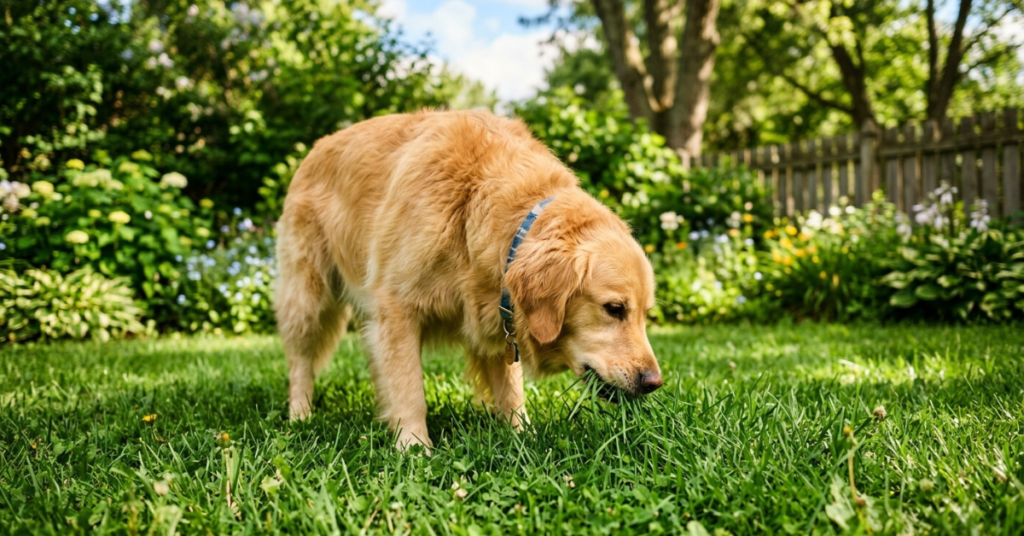
You take your dog outside for a walk, and before you know it, they’re munching on the lawn like it’s their favorite snack. It’s a common sight for dog owners, but it naturally raises a question: why is my dog eating grass?
The behavior can seem strange, especially when your dog has a perfectly good bowl of food waiting at home. Some dogs nibble on grass occasionally, while others seem determined to eat it every time they go outdoors. In some cases, grass-eating happens alongside vomiting, changes in appetite, or other unusual behavior.
The good news is that eating grass is relatively common in dogs and does not automatically mean something is wrong. However, understanding the possible reasons, recognizing warning signs, and knowing how to respond can help you keep your furry companion safe.
Why Is My Dog Eating Grass?
Dogs eat grass for several possible reasons, and there isn’t one explanation that applies to every dog. Research suggests that grass-eating is common even among otherwise healthy dogs, and the popular belief that dogs eat grass mainly to make themselves vomit isn’t well supported.
Here are some of the most common explanations.
1. It’s a Natural Canine Behavior
Dogs are omnivorous by nature, meaning they can consume and digest a variety of foods, including some plant material. Their wild ancestors may have eaten plants accidentally or deliberately as part of their diet.
Grass-chewing may simply be an instinctive behavior that some dogs retain. If your dog occasionally eats a few blades and otherwise behaves normally, it may not be a cause for concern.
2. Your Dog Likes the Taste or Texture
Believe it or not, grass may actually taste good to your dog. Fresh grass can be tender, moist, and interesting to chew, particularly when it’s growing in the spring or after rainfall.
Dogs also explore their surroundings with their mouths. If your pet enjoys chewing different textures, grass may be another way to investigate the environment.
3. Your Dog Is Bored or Looking for Stimulation
Dogs need more than food and a place to sleep. They also need exercise, mental stimulation, and opportunities to explore.
A dog that spends long periods in the yard without much interaction may start chewing grass because there’s little else to do. The behavior can become a habit if it consistently provides entertainment.
Try offering more sniffing opportunities during walks, interactive toys, food puzzles, or short training sessions. These activities can provide a healthier outlet for your dog’s curiosity.
4. Your Dog May Be Experiencing Digestive Discomfort
Some owners notice their dogs eating grass when they appear nauseated or have an upset stomach. This has contributed to the belief that dogs deliberately eat grass to induce vomiting.
However, evidence does not establish that grass is a reliable treatment for nausea or digestive problems. Studies of grass-eating behavior have found that vomiting afterward is relatively uncommon, and dogs that eat grass do not necessarily show signs of illness beforehand.
If your dog repeatedly eats grass while showing signs of nausea, abdominal discomfort, diarrhea, or appetite changes, it’s worth investigating the underlying problem rather than assuming the grass will help.
5. Your Dog’s Diet May Need Attention
Another common theory is that dogs eat grass because they lack a particular nutrient, such as fiber. Although dietary imbalance is worth considering when a dog develops unusual eating habits, there is limited evidence that grass-eating generally indicates a nutritional deficiency.
Check whether your dog is eating a complete and balanced diet appropriate for their age and life stage. Puppies, adult dogs, and senior dogs may have different nutritional requirements.
If the behavior begins suddenly or your dog seems unusually hungry, loses weight, or refuses regular meals, consult your veterinarian before making major dietary changes or adding supplements.
Why Is My Dog Eating Grass and Throwing Up?
Seeing your dog eat grass and then vomit can be worrying. Although this can happen in otherwise healthy dogs, repeated vomiting should never be dismissed as normal.
There are several possible explanations:
- Grass may irritate the stomach: Eating a large amount of rough plant material can contribute to stomach irritation or vomiting.
- Your dog may already feel nauseated: A dog experiencing digestive discomfort may eat grass, vomit, or do both for reasons that aren’t fully understood.
- An underlying illness may be present: Gastrointestinal inflammation, dietary indiscretion, parasites, pancreatitis, or other conditions can cause vomiting and changes in eating behavior.
- Your dog may have swallowed something harmful: Grass treated with herbicides or pesticides, toxic plants, or contaminated outdoor material can create additional risks.
The timing alone doesn’t establish the cause. Grass-eating followed by vomiting does not necessarily mean the grass caused the problem, and vomiting does not prove your dog was trying to make themselves sick.
What Should You Do if Your Dog Vomits After Eating Grass?
- Move your dog away from the grass and prevent further grazing.
- Check whether the lawn may have been treated with chemicals or whether toxic plants are nearby.
- Observe your dog’s energy, appetite, hydration, and behavior.
- Contact your veterinarian if vomiting repeats, your dog cannot keep water down, or other symptoms develop.
Seek urgent veterinary care if vomiting is accompanied by blood, severe abdominal pain, a swollen abdomen, collapse, marked weakness, or repeated unproductive retching. Suspected pesticide exposure or ingestion of a poisonous plant also warrants prompt veterinary advice.
Why Is My Dog Eating Grass All of a Sudden?
If your dog has never shown much interest in grass but suddenly starts eating it frequently, pay attention to what else has changed.
Possible triggers include:
- A recent change in food, treats, or feeding schedule.
- Changes in the dog’s daily routine or activity level.
- A stressful event, such as moving house or spending more time alone.
- Nausea, stomach discomfort, or another medical problem.
- Increased access to grass during walks or time outdoors.
A sudden change does not automatically indicate illness. However, if the new behavior continues or comes with vomiting, diarrhea, reduced appetite, weight loss, or unusual tiredness, arrange a veterinary examination.
Keeping a short record of when the behavior occurs, what your dog eats, and any accompanying symptoms can help your vet identify patterns.
Why Is My Dog Eating Grass Like Crazy?
Occasional grazing is different from repeatedly rushing toward grass, swallowing large mouthfuls, or seeming unable to stop.
Frequent or intense grass-eating may be associated with boredom, learned behavior, environmental stimulation, or gastrointestinal discomfort. In some cases, it may form part of a broader pattern of eating non-food items, known as pica.
If your dog is eating grass excessively, try to identify when it happens. Does it occur before meals, during stressful situations, after exercise, or when your dog is left alone?
Avoid assuming that the behavior is harmless simply because grass-eating is common. If the pattern is new, compulsive, or difficult to interrupt, discuss it with your veterinarian.
Why Is My Dog Eating Grass All the Time?
Some dogs seem to graze during nearly every outdoor visit. If your dog remains energetic, eats normally, maintains a healthy weight, and has no digestive symptoms, frequent grass-chewing may be a behavioral preference.
Still, constant grazing deserves attention because it increases the chance of swallowing contaminated grass, parasites, sharp plant material, or other harmful substances.
To manage the habit:
- Redirect your dog toward a toy, training cue, or sniffing activity.
- Reward them when they walk past grass without eating it.
- Provide regular exercise and opportunities for mental enrichment.
- Keep your dog away from chemically treated lawns.
- Monitor changes in appetite, stool quality, and body weight.
If these steps do not help, or your dog seems driven to consume grass despite redirection, seek veterinary advice.
Why Is My Dog Eating Grass and Not His Food?
A dog that eats grass but refuses their normal meals may be experiencing something more than ordinary curiosity.
Possible causes include nausea, dental pain, stress, a recent food change, or an illness affecting appetite. Grass may be easier or more appealing to investigate than a regular meal, but eating it does not mean your dog is getting adequate nutrition.
Consider the following:
- One skipped meal: A healthy adult dog may occasionally eat less than usual, but monitor closely for other symptoms.
- Repeated food refusal: Contact your veterinarian, particularly if your dog is also eating grass persistently.
- Refusal accompanied by vomiting or lethargy: Seek prompt veterinary advice.
- Puppies or dogs with existing medical conditions: Contact a veterinarian sooner because they may be more vulnerable to complications from not eating.
Do not force-feed your dog or give human medication to stimulate appetite without veterinary guidance. If your dog is refusing food and also appears ill, professional assessment is more useful than trying to stop the grass-eating alone.
Why Is My Dog Eating Grass and Leaves?
Dogs sometimes chew leaves, twigs, flowers, and other plants as they explore outdoors. While some plant material may pass through the digestive system without causing problems, not every plant is safe.
The main concern is that dogs cannot reliably distinguish harmless plants from toxic ones. Certain ornamental plants, bulbs, and other garden species can cause anything from mild stomach irritation to serious poisoning.
Leaves and grass may also contain:
- Herbicides, pesticides, or fertilizers.
- Fungal growth or contaminated material.
- Parasites or bacteria from animal waste.
- Sharp stems or foreign objects that could injure the mouth or digestive tract.
Identify the plant if possible and contact your veterinarian or an animal poison service if you suspect your dog has eaten something toxic. Do not induce vomiting unless a veterinary professional specifically instructs you to do so.
Is Eating Grass Bad for Dogs?
Eating a small amount of untreated, non-toxic grass is not usually dangerous for a healthy dog. The behavior itself is not necessarily a sign of poor health or a nutritional problem.
The risk depends on the amount consumed, the condition of the grass, possible chemical exposure, and your dog’s health.
Grass-eating becomes more concerning when your dog:
- Swallows large quantities rapidly.
- Vomits repeatedly or develops diarrhea.
- Refuses food or becomes unusually tired.
- Chews unknown plants or chemically treated lawns.
- Shows signs of abdominal pain or difficulty passing stool.
The safest approach is to allow exploration without encouraging your dog to eat grass freely, particularly in unfamiliar outdoor areas.
How to Stop Your Dog From Eating Grass
If your dog frequently grazes, you can often reduce the behavior through supervision, training, and environmental changes.
1. Check the Feeding Routine
Make sure your dog receives enough food for their age, size, activity level, and health. Feed a complete and balanced diet, and ask your vet whether dietary adjustments are appropriate if you suspect a nutritional issue.
2. Provide More Exercise and Mental Stimulation
A walk that includes sniffing, exploring, and simple training can be more enriching than a walk focused only on distance. Puzzle feeders and interactive toys can also help reduce boredom at home.
3. Teach a Reliable “Leave It” Cue
Practice indoors first with safe objects and rewards. Once your dog responds consistently, gradually practice outdoors at a comfortable distance from grass.
Reward your dog for disengaging instead of repeatedly shouting or punishing them. Consistent positive reinforcement helps teach an alternative behavior.
4. Supervise Outdoor Time
Keep your dog away from lawns that may have been treated with chemicals, unfamiliar plants, and areas contaminated by animal waste. In public spaces, use a leash when needed to prevent uncontrolled grazing.
5. Speak With Your Veterinarian
If the habit is persistent, begins suddenly, or occurs alongside digestive symptoms, a veterinary examination can help determine whether further investigation is needed.
Avoid giving fiber supplements, changing your dog’s diet dramatically, or using home remedies without professional guidance.
When Should You Take Your Dog to the Vet?
Not every grass-eating episode requires a veterinary visit, but certain symptoms deserve prompt attention.
Arrange a veterinary appointment if your dog:
- Eats grass much more often than usual.
- Has recurring vomiting or diarrhea.
- Loses interest in normal food.
- Loses weight or develops a noticeable change in thirst.
- Repeatedly eats non-food materials.
Seek emergency veterinary care if your dog:
- Has a swollen or painful abdomen.
- Repeatedly retches without producing vomit.
- Collapses, has difficulty breathing, or becomes severely weak.
- Vomits blood or has significant bloody diarrhea.
- May have swallowed a poisonous plant or toxic chemical.
Puppies, older dogs, and dogs with existing medical conditions may need earlier assessment. When in doubt, call your veterinary clinic and describe the symptoms.
Frequently Asked Questions
1. Should I stop my dog from eating grass?
It’s sensible to discourage uncontrolled grazing, especially in unfamiliar places or where chemicals and toxic plants may be present. A few bites of safe, untreated grass are not usually a problem, but eating large amounts or developing symptoms warrants attention.
2. Does eating grass mean my dog has worms?
No. Grass-eating alone does not establish that a dog has intestinal worms. Parasites are one possible health concern in dogs, but diagnosis requires appropriate veterinary assessment and, when indicated, fecal testing.
3. Do dogs eat grass when they have an upset stomach?
Some dogs eat grass when they appear nauseated, but research has not established that grass reliably relieves stomach discomfort. If your dog repeatedly grazes while vomiting or showing other digestive symptoms, consult your veterinarian.
4. Why does my dog eat grass and then throw up?
Grass may irritate the stomach, but the dog may also have been nauseated before eating it. Repeated vomiting can indicate an underlying medical problem, so do not assume that the grass is the only cause.
5. Is it normal for puppies to eat grass?
Puppies often explore their surroundings by sniffing, licking, and chewing objects. However, they may be more vulnerable to dehydration and complications from illness, so supervise them closely and contact your vet if they vomit, refuse food, or seem unwell.
6. Can a dog eat grass every day and still be healthy?
Yes, some otherwise healthy dogs graze regularly without developing obvious problems. Daily grass-eating is not proof of illness, but frequent or increasing consumption should be assessed in context, particularly if other symptoms appear.
7. Should I change my dog’s food if they keep eating grass?
Not automatically. Grass-eating alone does not prove that your dog’s diet is deficient. Before changing foods or adding supplements, check that the current diet is complete and balanced and speak with your veterinarian if you have concerns.
8. Why does my dog eat grass after throwing up?
Your dog may still feel nauseated, or the grass-eating may be unrelated to the earlier vomiting. Offer a calm environment, prevent further grazing, and seek veterinary advice if vomiting returns, your dog cannot keep water down, or other symptoms develop.
Conclusion
So, why is my dog eating grass? In many cases, the answer is fairly ordinary: curiosity, taste, instinct, or boredom. Grass-eating is common in dogs, and it does not automatically mean that your pet has an upset stomach or a nutritional deficiency.
What matters most is the overall pattern. Occasional grazing in an otherwise healthy dog is usually less concerning than sudden, excessive grass-eating accompanied by vomiting, appetite changes, or lethargy.
Supervise outdoor exploration, keep your dog away from toxic plants and treated lawns, and pay attention to any changes in behavior. If grass-eating becomes excessive or your dog shows signs of illness, consult a veterinarian rather than relying on grass or home remedies to solve the problem.
For more practical guidance, explore related articles on dog nutrition, digestive health, and common canine behaviors to help you make informed decisions about your pet’s well-being.