
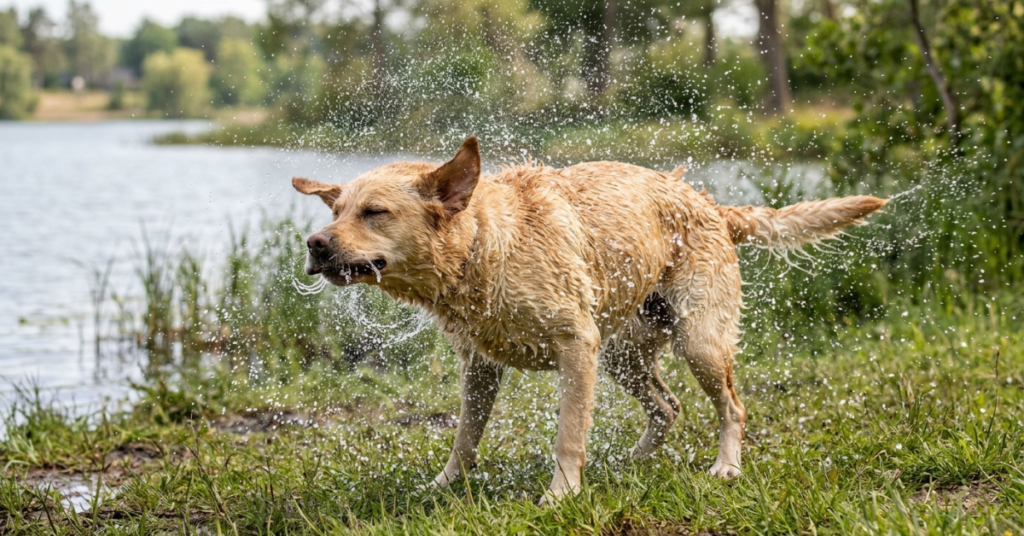
If your dog suddenly shakes his whole body, you might wonder whether something is wrong. Sometimes, it is completely normal behavior. Dogs often shake themselves after a bath, when they wake up, or after an exciting interaction. However, frequent shaking can also point to itching, ear problems, pain, anxiety, or an underlying medical condition.
So, why does my dog keep shaking his body? The answer depends on when the shaking happens, how often it occurs, and whether your dog shows other symptoms. Understanding the difference between normal shaking and a potential health problem can help you decide what to do next.
In this guide, we will explore the most common causes, explain which warning signs to watch for, and share practical steps you can take to help your dog feel comfortable again.
Why Does My Dog Keep Shaking His Body?
Dogs shake their bodies for several reasons, ranging from ordinary grooming behavior to medical issues that require veterinary attention. The first step is to notice what happens before and after the shaking.
For example, a dog that shakes once after getting wet is probably behaving normally. A dog that repeatedly shakes his head, scratches his ears, or seems uncomfortable may have an ear problem that needs to be checked.
Here are seven common explanations.
1. Your Dog Is Wet or Drying Off
One of the most natural reasons dogs shake their bodies is to remove water from their fur. You may notice this after a bath, swimming session, walk in the rain, or trip through wet grass.
This behavior is surprisingly effective. A rapid body shake helps fling water away from the coat, reducing the amount of moisture left on the skin.
What you can do:
- Gently towel-dry your dog after bathing or swimming.
- Keep him warm until his coat is reasonably dry.
- Check his ears and skin for lingering moisture, especially if he has a thick or long coat.
- Watch for persistent shaking after the coat is dry, as this may suggest another cause.
If your dog shakes briefly and then returns to normal activities, there is generally little reason to worry.
2. Itching, Allergies, or Skin Irritation
Does your dog shake his body and then scratch, lick, or chew at his skin? Itching could be the reason.
Dogs can develop skin irritation from environmental allergens, food sensitivities, flea bites, mites, or contact with irritating substances. Some dogs react to pollen, dust mites, grass, or certain cleaning products.
Common signs of skin irritation include:
- Frequent scratching or licking
- Red, inflamed skin
- Hair loss or thinning patches
- Small scabs or bumps
- An unpleasant skin odor
- Repeated rubbing against furniture or carpets
Fleas can cause significant itching, even when you do not immediately see them. Allergies may also affect the ears and paws, so pay attention if your dog scratches those areas frequently.
What you can do: Examine your dog’s coat and skin gently for fleas, redness, or visible irritation. Avoid applying human creams or giving medication without veterinary advice. If the itching persists, a veterinarian can help identify the cause and recommend appropriate treatment.
Facial swelling, breathing difficulties, or sudden widespread symptoms after a suspected allergic exposure require emergency veterinary care.
3. Ear Infections or Ear Mites
If your dog shakes his head repeatedly, rather than shaking his entire body occasionally, pay particular attention to his ears.
Ear infections can develop because of bacteria, yeast, allergies, trapped moisture, or other underlying problems. Ear mites are another possible cause, particularly in some puppies and animals exposed to infected pets.
Look for these warning signs:
- Frequent head shaking or ear scratching
- Redness inside the ear
- Dark, waxy, or unusual discharge
- A strong or unpleasant smell
- Sensitivity when the ear is touched
- Tilting the head to one side
An ear infection can be painful, and repeated shaking may worsen irritation or contribute to an ear-flap swelling called an aural hematoma.
What you can do: Arrange a veterinary examination if your dog repeatedly shakes his head or shows signs of ear discomfort. Do not insert cotton buds into the ear canal or use ear drops unless a veterinarian has confirmed they are suitable. Some products can be harmful if the eardrum is damaged.
Sudden head tilt, loss of balance, or difficulty walking warrants prompt veterinary assessment.
4. Cold Temperatures or Feeling Chilled
Just like people, dogs may shiver when they are cold. Small breeds, short-haired dogs, puppies, senior dogs, and dogs with little body fat can be particularly sensitive to low temperatures.
You may notice trembling after a winter walk, a bath, or time spent in a cold room. Your dog might also curl up tightly, seek blankets, or move closer to a warm person.
To help your dog stay comfortable:
- Move him to a warm, dry environment.
- Dry wet fur thoroughly.
- Use a properly fitted dog sweater when appropriate.
- Provide comfortable bedding away from cold drafts.
- Avoid direct contact with very hot heating pads or heaters.
Cold-related shivering should improve as your dog warms up. If it continues despite a comfortable temperature, do not automatically assume the cold is responsible.
Prolonged exposure to cold can cause hypothermia. Weakness, confusion, shallow breathing, or collapse after cold exposure requires emergency veterinary care.
5. Excitement, Anxiety, or Stress
Dogs sometimes shake when they feel overwhelmed, nervous, or extremely excited. You might notice this during thunderstorms, fireworks, car rides, visits to the veterinarian, or encounters with unfamiliar people.
Some dogs also shake after an intense interaction, as though releasing tension once the situation has passed.
Other signs of stress may include:
- Panting when the environment is not hot
- Pacing or restlessness
- Tucked tail or flattened ears
- Lip licking or repeated yawning
- Hiding or trying to escape
- Whining or refusing treats
Excitement can also cause trembling in some dogs, especially when they anticipate a walk, a meal, or a favorite activity.
How to help: Create a calm environment, give your dog space, and avoid forcing him to interact with something frightening. Reward relaxed behavior and maintain predictable routines. If anxiety is frequent or severe, ask your veterinarian about behavior support and suitable treatment options.
Do not punish a frightened dog for shaking. Punishment can increase stress and make the behavior worse.
6. Pain, Injury, or Illness
Sometimes, shaking is your dog’s way of responding to discomfort. Dogs do not always show pain through obvious limping or crying, so unexplained trembling deserves attention.
Possible causes include muscle injuries, joint pain, abdominal discomfort, dental problems, fever, and other illnesses.
Watch for additional symptoms such as:
- Limping or reluctance to walk
- Difficulty getting up or climbing stairs
- A hunched posture
- Whimpering or unusual irritability
- Loss of appetite
- Vomiting or diarrhea
- Unusual tiredness
- Avoiding touch or withdrawing from family members
If your dog starts shaking suddenly without an obvious explanation, particularly when he also seems unwell, contact a veterinarian.
Never give your dog human painkillers such as ibuprofen or naproxen unless specifically directed by a veterinarian. These medications can be dangerous or even fatal to dogs.
7. Tremors, Seizures, or Neurological Problems
Not every shaking episode is an ordinary body shake. Some dogs develop involuntary tremors or seizure-like movements because of neurological conditions, metabolic problems, exposure to toxins, or other medical issues.
It is important to distinguish a normal shake from persistent trembling.
A normal body shake is generally brief and purposeful. Your dog shakes his body and then carries on with whatever he was doing.
Tremors are repeated, involuntary muscle movements that may continue even when your dog is standing still or resting.
A seizure may involve stiffening, uncontrolled limb movements, paddling, drooling, loss of awareness, or temporary confusion afterward. Not every seizure looks the same, and some dogs remain partly aware during certain seizure types.
If your dog has a seizure:
- Move nearby furniture and other hazards away.
- Keep your hands away from his mouth; do not try to hold his tongue.
- Time the episode and record a video only if you can do so safely.
- Contact a veterinarian for instructions.
A seizure lasting five minutes or longer, repeated seizures without full recovery, or a first seizure accompanied by serious illness requires emergency veterinary care. Suspected poisoning, collapse, breathing difficulty, or sudden inability to stand is also an emergency.
Do not assume a tremor is harmless simply because your dog remains conscious.
When Should You Worry About Your Dog Shaking?
The most useful clue is whether the shaking is brief and linked to an obvious event or persistent and accompanied by other symptoms.
| What you notice | Possible explanation | Recommended action |
|---|---|---|
| One brief shake after a bath | Removing water | Dry your dog and monitor |
| Shaking with frequent scratching | Itching, fleas, or allergies | Check the skin and arrange a vet visit if persistent |
| Repeated head shaking and ear odor | Ear inflammation or infection | Book a veterinary examination |
| Shivering after cold exposure | Feeling chilled | Warm and dry your dog gradually |
| Shaking with limping or appetite loss | Pain or illness | Contact a veterinarian promptly |
| Persistent tremors or unusual movements | Neurological or other medical issue | Seek prompt veterinary assessment |
| Seizure, collapse, breathing difficulty, or suspected poisoning | Potential emergency | Seek emergency veterinary care |
When in doubt, it is safer to contact a veterinarian, especially if the behavior is new, worsening, or unusual for your dog.
How to Stop Your Dog From Shaking His Body
The right solution depends on what is causing the shaking. Rather than trying to stop the behavior immediately, focus on identifying the reason behind it.
Here are a few practical steps you can take at home.
1. Observe When the Shaking Happens
Pay attention to the timing and frequency. Does your dog shake after waking up, after a walk, during stressful situations, or while resting?
Keeping track of these details can help your veterinarian identify possible triggers.
2. Check for Visible Signs of Discomfort
Look for redness, irritated skin, fleas, unusual ear discharge, or tenderness. Avoid pressing painful areas or attempting to examine a frightened dog forcefully.
3. Keep Your Dog Comfortable
Make sure your dog has a warm, dry resting place, access to fresh water, and a calm environment. If you suspect anxiety, reduce exposure to the trigger where possible.
4. Avoid Unprescribed Treatments
Do not use human medication, essential oils, leftover antibiotics, or random ear drops to treat unexplained shaking. The wrong treatment may worsen the problem or delay proper care.
5. Contact a Veterinarian if It Continues
If the shaking happens repeatedly without an obvious explanation, arrange a veterinary examination. A veterinarian may examine your dog’s skin and ears, assess pain, and recommend additional tests if necessary.
There is no single home remedy that safely treats every cause of shaking. Identifying the underlying problem is the most effective way to help your dog.
Why Does My Dog Shake His Body After Waking Up?
A quick shake after waking up is usually normal. Dogs often stretch, shake their bodies, and reposition themselves after sleeping. This behavior may help them transition from resting to being active.
However, if your dog wakes up and immediately scratches his ears, rubs his face, or repeatedly shakes his head, irritation or an ear problem may be responsible.
Occasional shaking followed by normal behavior is generally less concerning than repeated shaking accompanied by discomfort, weakness, or unusual movements.
Why Does My Dog Shake His Body After a Bath?
Dogs commonly shake after bathing because it helps remove water from their coats. The behavior is a natural response, and it can happen even when you have towel-dried your dog.
If the shaking continues long after the bath, consider whether your dog is cold, uncomfortable, or experiencing irritation from shampoo or water trapped in the ears.
Use a dog-safe shampoo, rinse thoroughly, and dry your dog appropriately. Avoid putting water or cleaning products into the ear canal.
Why Does My Dog Shake His Body While Lying Down?
Shaking while lying down can have several explanations. Your dog might be dreaming, feeling cold, experiencing anxiety, or developing involuntary muscle tremors.
Small movements during sleep can be normal, particularly when your dog appears relaxed and wakes up normally. Persistent shaking while awake, however, deserves closer attention.
Seek veterinary advice if your dog trembles at rest, seems unable to get comfortable, cries out, or shows changes in walking, appetite, or behavior. If he becomes unresponsive or develops seizure-like movements, seek urgent veterinary help.
Frequently Asked Questions
1. Is it normal for dogs to shake their whole body frequently?
Occasional full-body shaking is normal, especially after getting wet, waking up, or experiencing excitement. Frequent or unexplained shaking is less typical and may indicate itching, ear irritation, pain, stress, or illness.
2. Why does my dog keep shaking but seem fine otherwise?
Your dog may be responding to excitement, mild stress, cold temperatures, or an irritating sensation. Some medical problems initially cause few other visible symptoms, though, so persistent or newly developed shaking should be discussed with a veterinarian.
3. Why does my dog shake his body but not scratch?
Shaking without scratching can happen during normal grooming, after waking up, or in response to excitement. It can also occur with discomfort, pain, or involuntary tremors. Consider the duration, frequency, and any changes in your dog’s behavior.
4. Can anxiety cause a dog to shake?
Yes. Anxiety and fear can cause trembling, panting, pacing, hiding, and other stress-related behaviors. If shaking regularly occurs during thunderstorms, fireworks, travel, or separation, a veterinarian can help you develop an appropriate management plan.
5. Should I take my dog to the vet if he keeps shaking?
Yes, if the shaking is persistent, recurring without an obvious cause, or accompanied by other symptoms. Seek emergency care for seizures lasting five minutes or longer, collapse, breathing difficulties, suspected poisoning, or other severe symptoms.
6. Can fleas make my dog shake his body?
Fleas can cause itching and skin irritation, which may lead to scratching, biting, rubbing, and shaking. Check your dog’s coat for fleas or flea dirt, but remember that allergies and other skin conditions can produce similar symptoms.
7. Why does my dog shake his head and body at the same time?
Dogs sometimes shake their entire bodies as part of normal grooming. However, repeated head shaking, particularly alongside ear scratching, redness, discharge, or odor, can indicate an ear problem that requires veterinary examination.
8. Do puppies shake their bodies more than adult dogs?
Puppies may shake after sleeping, playing, bathing, or experiencing excitement. They can also be more vulnerable to cold because of their size and age. Persistent trembling, weakness, poor feeding, or unusual behavior in a puppy should be assessed promptly by a veterinarian.
Conclusion
If you have been wondering, why does my dog keep shaking his body, remember that the answer depends on the circumstances. A quick shake after a bath or a nap is often harmless, while repeated shaking may be linked to allergies, ear infections, anxiety, pain, or a more serious medical condition.
Start by observing when the shaking happens and checking for other signs of discomfort. Keep your dog comfortable, avoid unprescribed treatments, and contact your veterinarian if the behavior persists or seems unusual.
Most importantly, do not ignore sudden or severe symptoms. Recognizing the warning signs early can help your dog receive the care he needs and get back to feeling like himself.
For more practical advice, explore related guides on dog behavior, common skin problems, ear health, and everyday pet care.