
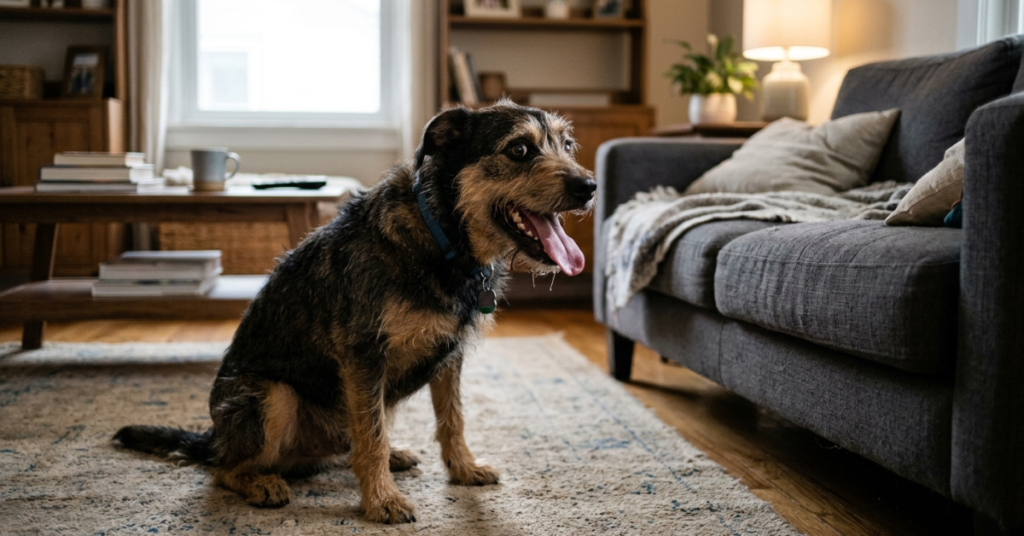
Seeing your dog shake while breathing heavily can be worrying, especially when there is no obvious reason for it. You might notice trembling legs, rapid breathing, a restless body, or unusual behavior even when your dog has been resting comfortably.
If you’re wondering, why does my dog keep shaking and panting, the answer can range from something relatively harmless, such as excitement or anxiety, to a medical problem that needs prompt veterinary attention. Dogs pant to regulate their body temperature, while shaking can be a response to fear, cold, pain, or illness.
The most important thing is to consider the situation, look for other symptoms, and understand when your dog needs professional help. This guide explains the possible causes, what you can safely do at home, and which warning signs you should never ignore.
Why Does My Dog Keep Shaking and Panting?
Shaking and panting can occur together for several reasons. Sometimes, the cause is temporary, such as a loud noise or a particularly exciting experience. In other cases, both symptoms may indicate discomfort, overheating, or an underlying health condition.
Here are some of the most common explanations.
1. Anxiety, Fear, or Stress
Dogs can experience anxiety just like people. When they feel frightened or stressed, their bodies release stress hormones that may cause trembling, rapid breathing, pacing, and restlessness.
Common triggers include:
- Thunderstorms, fireworks, or other loud noises
- Separation from their owners
- Car rides or visits to the veterinarian
- Unfamiliar people, animals, or environments
- Changes in household routines
An anxious dog may also hide, tuck its tail between its legs, pin its ears back, or repeatedly seek reassurance from you.
What you can do: Move your dog to a quiet, comfortable area and reduce exposure to whatever appears to be causing the stress. Speak calmly and allow your dog to settle without forcing interaction. If the episodes happen frequently, discuss possible anxiety management with your veterinarian.
2. Pain or Physical Discomfort
One possible explanation for unexplained trembling and heavy breathing is pain. Dogs do not always cry or limp when something hurts, so changes in breathing and body language may be the first noticeable signs.
Pain can result from several conditions, including:
- Muscle strains or injuries
- Arthritis and joint problems
- Abdominal discomfort
- Dental disease
- Back or neck injuries
- Internal inflammation or illness
Your dog may also avoid being touched, struggle to get comfortable, move more slowly, refuse food, or appear unusually irritable.
What you can do: Observe your dog’s movement and behavior without pressing on painful areas or forcing movement. Contact a veterinarian promptly if the symptoms are unexplained or persistent. Do not give human painkillers unless a veterinarian specifically directs you to do so, because several common medications are toxic to dogs.
3. Overheating and Heatstroke
Panting is one of the main ways dogs release excess body heat. However, excessive panting accompanied by shaking can signal that your dog is struggling to cool down.
Heat-related illness can develop after exercise, exposure to hot weather, or being left in a poorly ventilated or hot environment. Dogs with short noses, such as pugs and bulldogs, may be particularly vulnerable, as can overweight dogs and those with certain medical conditions.
Watch for these additional signs:
- Heavy, persistent panting
- Thick or excessive drooling
- Weakness or difficulty standing
- Vomiting or diarrhea
- Confusion or collapse
- Seizures
Heatstroke is a veterinary emergency. If you suspect it, move your dog out of the heat, begin cooling with cool—not ice-cold—water and air circulation, and seek emergency veterinary care immediately. Do not delay transport to see whether your dog improves.
4. Fever or Infection
A dog may tremble when its body temperature rises or when it feels unwell because of an infection or inflammatory condition. Panting can also increase because of discomfort, fever, or changes in the body’s temperature regulation.
Possible accompanying symptoms include:
- Reduced appetite
- Unusual tiredness
- Coughing or sneezing
- Vomiting or diarrhea
- Discharge from the eyes or nose
- Changes in drinking or urination
You cannot reliably determine whether a dog has a fever simply by touching its nose or ears. A veterinarian can assess your dog’s temperature and determine whether testing or treatment is needed.
If shaking and panting occur alongside lethargy, persistent vomiting, or other signs of illness, arrange a veterinary assessment as soon as possible.
5. Low Blood Sugar
Low blood sugar, also called hypoglycemia, can cause trembling, weakness, unusual behavior, and, in severe cases, seizures or collapse.
It is more likely in very young or very small dogs, dogs with certain medical conditions, and animals receiving insulin or other glucose-lowering treatment. However, it can occur for different reasons depending on the dog’s health.
Signs may include:
- Trembling or weakness
- Unsteady walking
- Disorientation
- Unusual sleepiness
- Seizures or loss of consciousness
If you suspect low blood sugar, seek urgent veterinary advice. If your dog is unconscious, having a seizure, or unable to swallow normally, do not put food, liquid, or honey into its mouth. This could cause choking or aspiration.
6. Nausea or Digestive Problems
Dogs experiencing nausea may pant, tremble, drool, swallow repeatedly, lick their lips, or appear unable to settle. These symptoms can occur before vomiting or alongside digestive discomfort.
Possible causes include eating something unusual, gastrointestinal illness, medication side effects, or exposure to a toxic substance.
More serious problems, such as intestinal obstruction or bloat, can also produce restlessness and discomfort.
Seek emergency care if your dog has a swollen abdomen, repeatedly tries to vomit without producing anything, collapses, or develops severe abdominal pain. These can be signs of gastric dilatation-volvulus (GDV), a life-threatening condition that requires immediate treatment.
7. Medication Side Effects or Toxic Exposure
Some medications can cause panting, agitation, tremors, or changes in behavior. Accidental exposure to toxic substances can produce similar symptoms.
Potential hazards include certain human medications, pesticides, some household chemicals, and foods or products that are unsafe for dogs. The specific risks depend on the substance and the amount consumed.
If you think your dog has swallowed something potentially toxic, contact an emergency veterinarian or animal poison service immediately. Do not wait for symptoms to become severe, and do not induce vomiting unless a veterinary professional tells you to.
Keep the product packaging available so the veterinary team can identify the substance and estimate the exposure.
8. Neurological Problems or Seizures
Not every shaking episode is ordinary trembling. Some dogs experience involuntary movements caused by neurological conditions, including seizures or tremor disorders.
During a seizure, a dog may stiffen, paddle its legs, lose awareness, drool heavily, or behave abnormally afterward. Other neurological problems may cause persistent tremors, poor coordination, or difficulty walking.
If your dog has a seizure for the first time, seek immediate veterinary guidance. A seizure lasting five minutes or longer, or repeated seizures without full recovery between them, is a life-threatening emergency.
Keep your dog away from stairs and hard objects, time the episode, and record a video if it is safe to do so. Never put your hands or objects into a dog’s mouth during a seizure.
Frequently Asked Questions
1. Should I be worried if my dog is shaking and panting?
Yes, particularly if the symptoms begin suddenly, continue while your dog is resting, or occur alongside weakness, vomiting, pain, or unusual behavior. Anxiety and excitement can cause temporary symptoms, but persistent or unexplained episodes should be assessed by a veterinarian.
2. Why is my dog shaking and panting but acting normal?
Some dogs tremble or pant because of excitement, mild stress, or recent exercise while otherwise behaving normally. However, dogs can hide pain and early signs of illness. If the symptoms are new, persistent, or recurring without an obvious trigger, arrange a veterinary checkup.
3. Can anxiety cause a dog to shake and pant at the same time?
Yes. Anxiety activates the body’s stress response, which can cause trembling, rapid breathing, pacing, and restlessness. If the episodes repeatedly occur during thunderstorms, car rides, separation, or other stressful situations, your veterinarian can help identify appropriate management strategies.
4. Why does my dog keep shaking and panting all of a sudden?
Sudden shaking and panting may result from fear, pain, overheating, nausea, low blood sugar, or exposure to a toxic substance. More serious causes are also possible. If the onset is sudden and unexplained, contact a veterinarian promptly, and seek emergency care if your dog has difficulty breathing, collapses, or shows other severe symptoms.
5. Why is my dog shaking and panting while lying down?
A dog that pants and trembles while lying down may be experiencing pain, anxiety, nausea, fever, or a heart or respiratory problem. If your dog cannot settle comfortably or continues panting despite resting in a cool environment, seek veterinary advice rather than assuming it is tired.
6. Can dehydration cause shaking and panting in dogs?
Dehydration can contribute to weakness and other signs of illness, while overheating may cause heavy panting and can occur alongside dehydration. Severe dehydration requires veterinary treatment. Offer fresh water if your dog is alert and able to swallow, but do not force fluids or delay care if your dog appears seriously unwell.
7. How long should I wait for my dog to stop shaking and panting?
There is no single safe waiting period because the cause matters more than the duration. Mild panting after exercise should ease with rest and cooling, but persistent symptoms at rest or repeated unexplained episodes warrant veterinary advice. Do not wait for symptoms to pass if you suspect heatstroke, poisoning, severe pain, or breathing difficulty.
8. Should I give my dog medicine for shaking and panting?
Do not give human medication or leftover prescription drugs without veterinary guidance. The correct treatment depends on the underlying cause, and some common human medicines can be toxic to dogs. A veterinarian can determine whether medication, diagnostic testing, or another treatment is necessary.
9. Can a dog shake and pant because of old age?
Yes, older dogs may develop arthritis, heart disease, respiratory problems, or cognitive changes that contribute to these symptoms. However, new or worsening shaking and panting should not be dismissed as normal aging. A veterinary examination can help identify treatable causes.
Conclusion
If you’re asking, why does my dog keep shaking and panting, remember that the symptoms can have many different explanations. Stress, excitement, pain, overheating, nausea, low blood sugar, and underlying medical conditions are all possibilities.
Pay attention to what happens before the episode, whether your dog can settle comfortably, and whether other symptoms appear. Mild symptoms after exercise or excitement may resolve with rest, but persistent, recurrent, sudden, or unexplained shaking and panting deserve veterinary attention.
Most importantly, seek emergency care for breathing difficulty, collapse, seizures, suspected poisoning, or signs of heatstroke. Acting promptly can make a meaningful difference to your dog’s health.
Your dog cannot explain what it is feeling, but changes in its breathing and behavior can provide important clues. When something seems unusual, trust those observations, contact your veterinarian, and avoid guessing at a treatment.
For more practical pet-care guidance, explore related articles on recognizing signs of illness in dogs, managing canine anxiety, and keeping your dog safe during hot weather.